Addis, Michela, and Morris B. Holbrook. “Consumers’ Identification and Beyond: Attraction, Reverence, and Escapism in the Evaluation of Films.” Psychology & Marketing, vol. 27, no. 9, 16 Aug. 2010, pp. 821–845, https://doi.org/10.1002/mar.20359.
Conrad, David A. The Adventure of Robin Hood (1938).
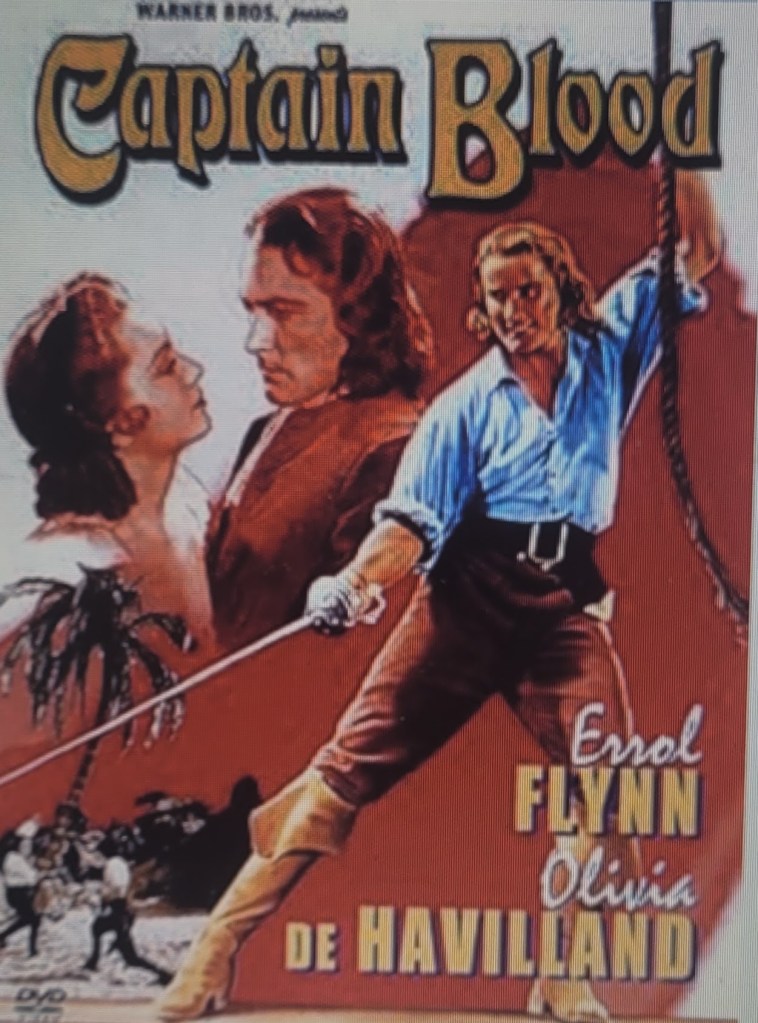
Captain Blood. Directed by Michael Curtiz, Warner Bros., 1935.
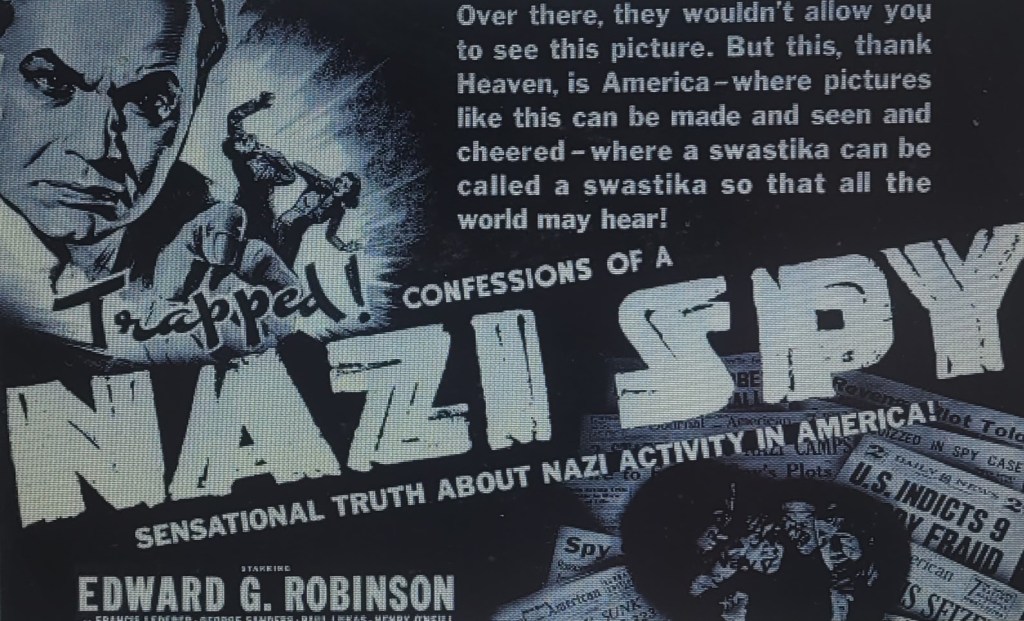
Confessions of a Nazi Spy. Directed by Anatole Litvak, Warner Bros., 1939.
Daseler, Graham. “The Fall of the House of Warner: The Warner Brothers – Bright Lights Film Journal.” Bright Lights Film Journal, 25 Jan. 2014, brightlightsfilm.com/the-fall-of-the-house-of-warner-the-warner-brothers/. Accessed 14 Apr. 2026.
Dames. Directed by Busby Berkeley, Warner Bros., 1934.
Glancy, H. Mark. “Warner Bros Film Grosses, 1921–51: The William Schaefer Ledger.” Historical Journal of Film, Radio and Television, vol. 15, no. 1, Mar. 1995, pp. 55–73, https://doi.org/10.1080/01439689500260031.
Hark, Ina Rae. “The Visual Politics Of The Adventures of Robin Hood.” Journal of Popular Film, vol. 5, no. 1, Jan. 1976, pp. 3–17, https://doi.org/10.1080/00472719.1976.10661790. Accessed 20 Apr 2026.
Little Caesar. Directed by Mervyn LeRoy, Warner Bros., 1931.
Schreiber, Cassandra. Decoding Robin Hood. 2025, pp. 1–233, ualresearchonline.arts.ac.uk/id/eprint/25893/2/Final%20PhD%20Thesis%20Cassandra%20Schreiber.pdf. Accessed 20 Apr. 2026.
Singpatanakul, Tham. Revitalizing Hollywood Stardom. 2020, digitalcommons.chapman.edu/film_studies_theses/9/. Accessed 20 Apr. 2026.
The Public Enemy. Directed by William A. Wellman, Warner Bros., 1931.
The Roaring Twenties. Directed by Raoul Walsh, Warner Bros., 1939.
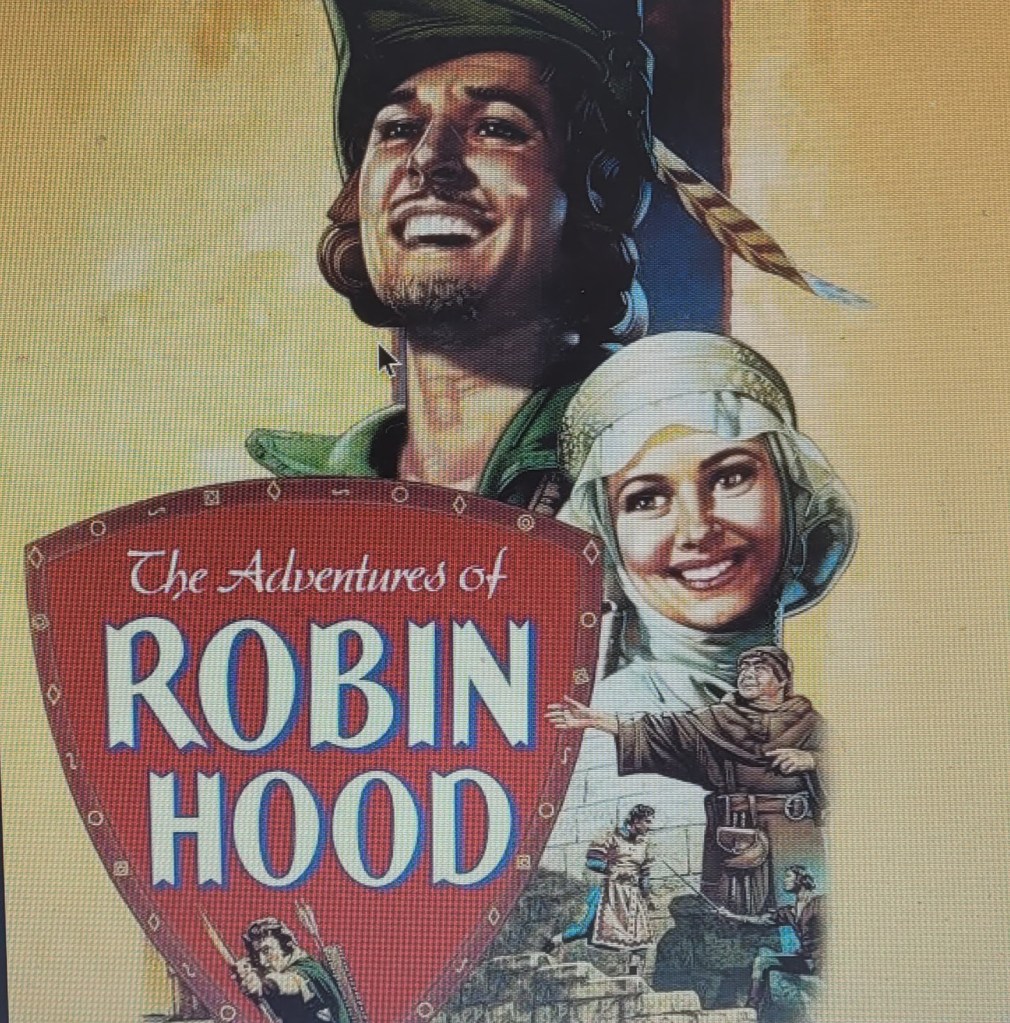
The Adventures of Robin Hood. Directed by Michael Curtiz, Warner Bros., 1938.
Yogerst, Chris. Ripped from the Headlines. 2015, pp. 1–24, www.proquest.com/docview/1687192521?pq-origsite=gscholar&fromopenview=true&sourcetype=Dissertations%20&%20Theses. Accessed 20 Apr. 2026.
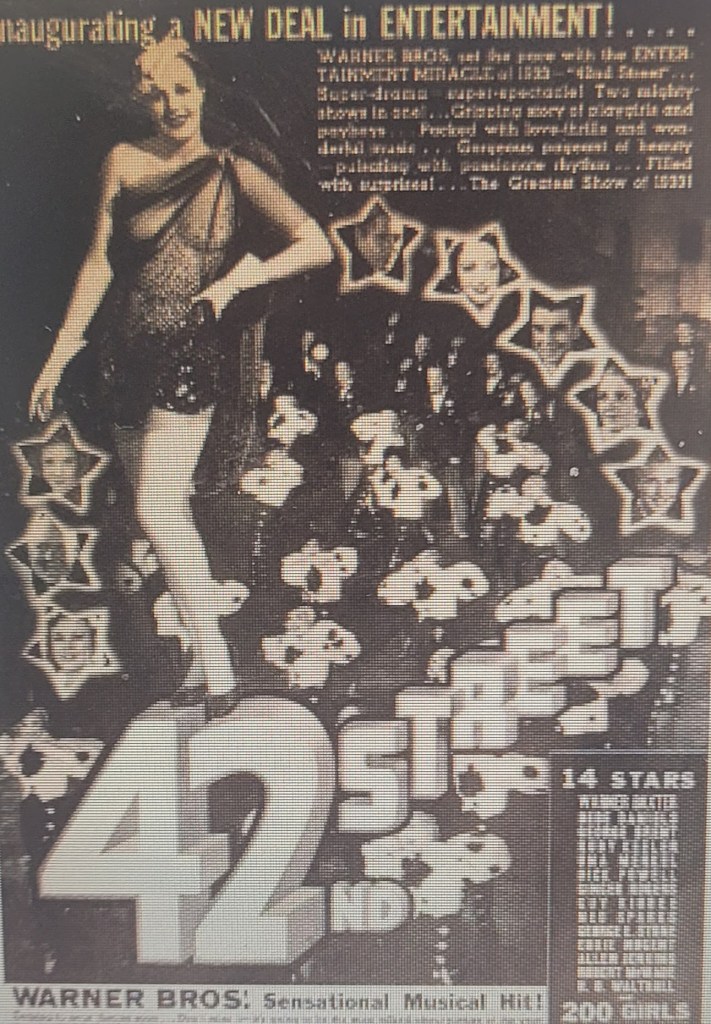
42nd Street. Directed by Lloyd Bacon, Warner Bros., 1933.
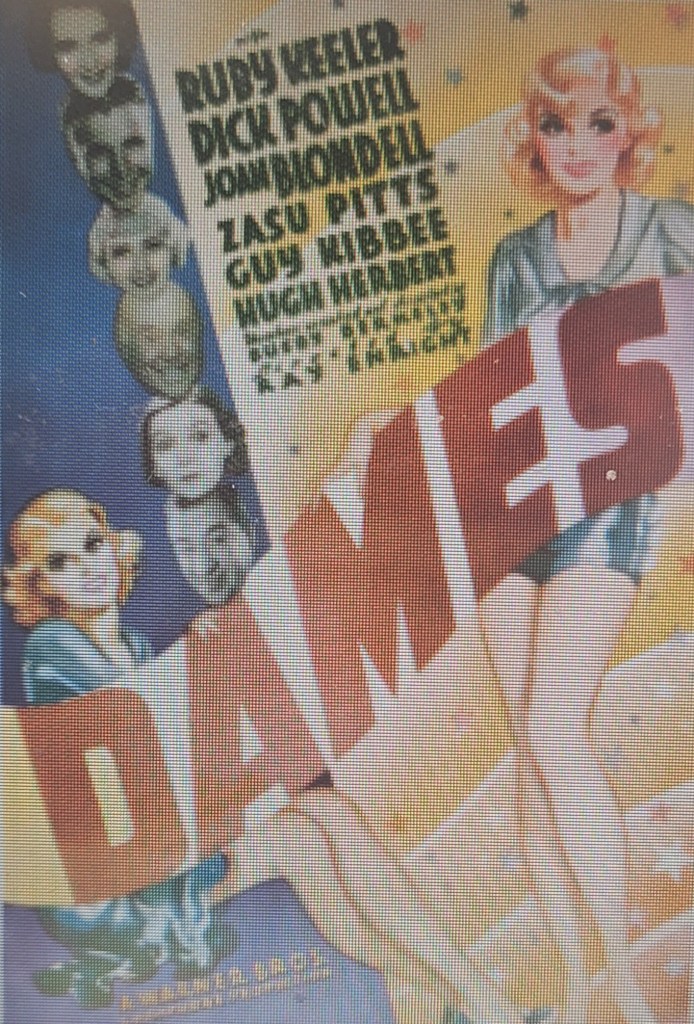
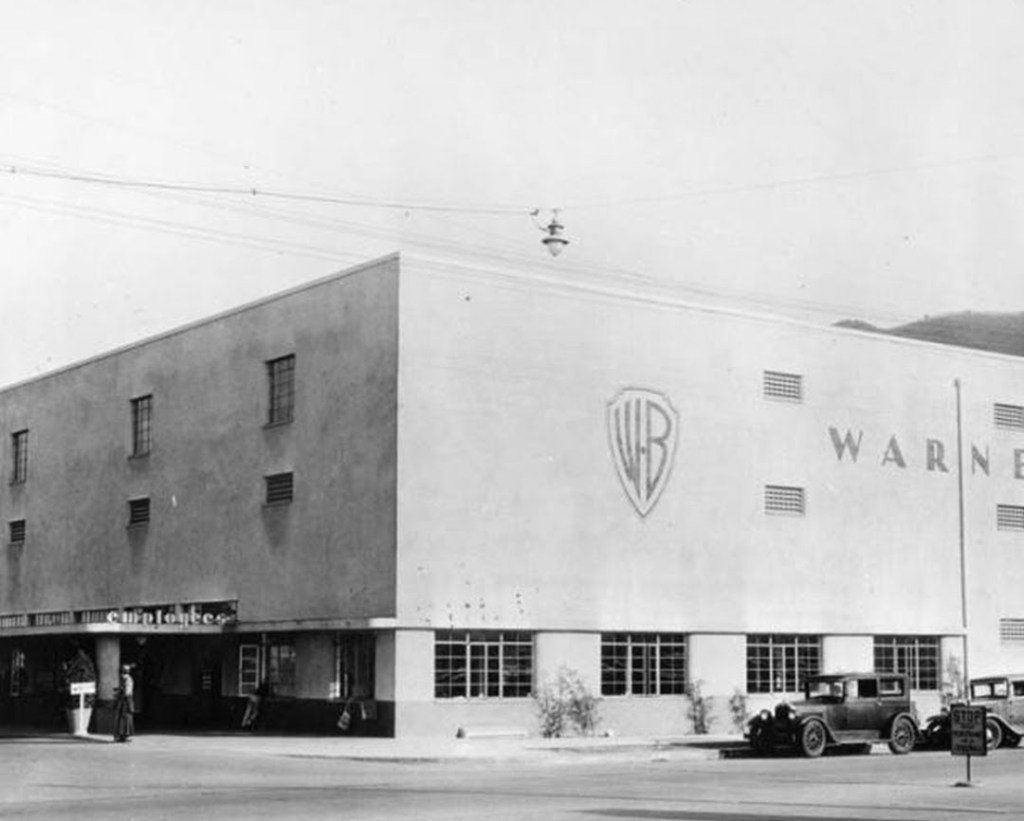
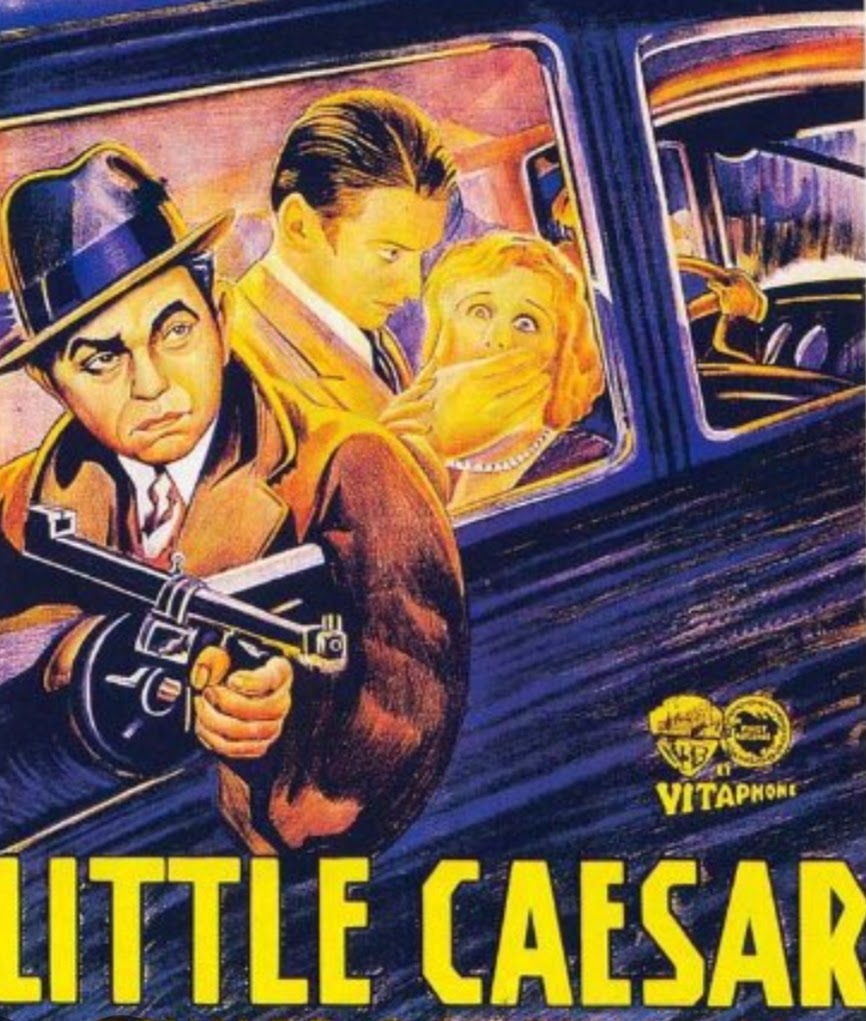
 1930's Warner Bros.